Running a cleaning business comes with more moving parts than most people realize, and your insurance needs to keep up. From property damage to equipment loss or on-the-job injuries, even a single uncovered incident can disrupt your operations or impact your bottom line.
Ask yourself: Do you really have the best cleaning business insurance for your operations? Many business owners discover gaps in coverage when it’s too late, especially if their services have expanded, their team has grown, or they’ve taken on new contracts. Let this guide help you assess whether your insurance program matches your current business model.
What Does “Fully Insured” Actually Mean for Cleaning Businesses?
“Fully insured” is one of those phrases that sounds straightforward — but in practice, it depends entirely on how your cleaning business operates. It doesn’t mean holding every type of policy, but rather, having coverage that fits your actual risks.
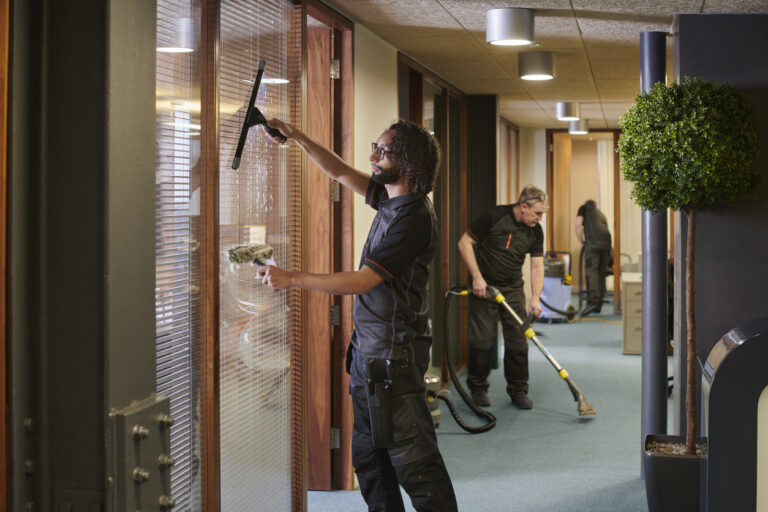
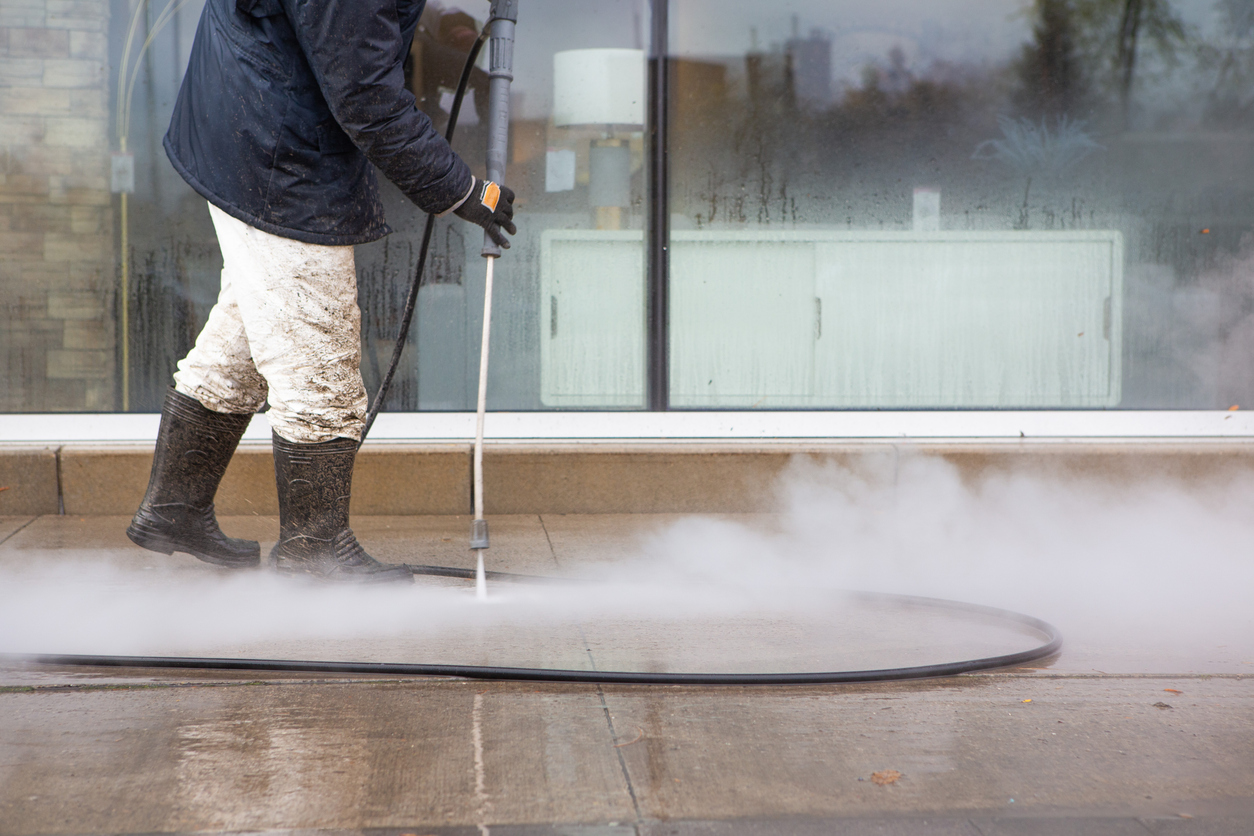
For example, a company that cleans office buildings five days a week during business hours faces relatively stable conditions: predictable sites, lower foot traffic, and minimal exposure to hazardous environments. On the other hand, a business specializing in post-construction cleanups or exterior power washing may deal with debris, unstable surfaces, or working at heights — all of which increase the potential for liability and worker injuries.
The types of clients you serve, where and when your teams work, and how you move your equipment all factor into what being “fully insured” should look like for your operation.
Where Cleaning Businesses Often Miss Coverage
Even well-established cleaning companies can have critical insurance gaps. They usually stem from everyday activities that don’t seem risky at first glance. Here are some of the most common blind spots:
- Using personal vehicles for business: If employees or supervisors drive their own cars between job sites or to pick up supplies, your standard general liability policy won’t cover them in an accident.
- Expanding services without updating coverage: Adding new offerings, such as post-construction cleanup, exterior window washing, or disinfection, may introduce risks that aren’t accounted for in your original policy.
- Hiring subcontractors or temp workers: Independent contractors aren’t automatically covered under your workers’ compensation or liability policies. Depending on how they’re classified and whether your policy includes them, they could be a significant source of exposure.
- Relying on outdated limits: If your revenue, payroll, or client contracts have grown, your liability limits may no longer be sufficient.
These gaps often go unnoticed until a claim is filed. By then, it’s too late. That’s why a regular review with a cleaning-focused broker is essential.
Your Cleaning Insurance Checklist
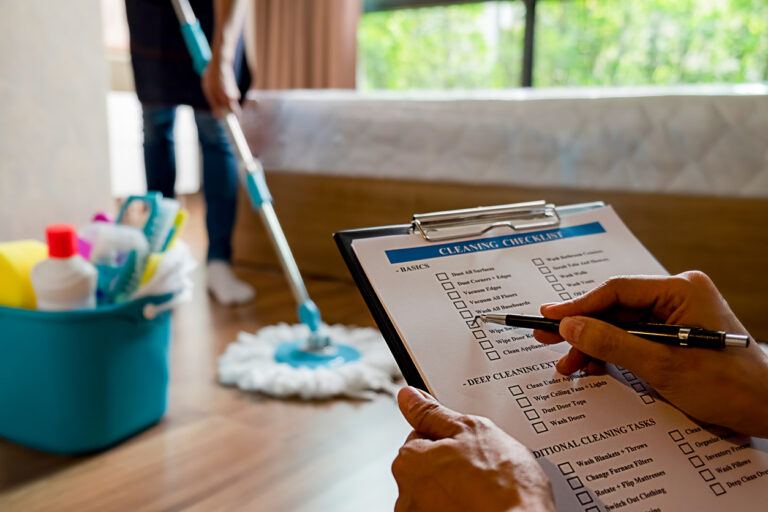
Here’s a focused checklist to help you evaluate whether your current insurance program reflects the real-world risks of your cleaning business. If any of these policies are missing or haven’t been reviewed in the last year, it’s time to talk with your broker.
- General liability insurance: Covers third-party property damage or bodily injury caused by your business operations. Essential for any cleaning business entering client spaces.
- Workers’ compensation: Required in most states if you have employees. Covers medical costs and lost wages for workers injured on the job. Independent contractors aren’t usually included unless specifically added or misclassified.
- Property insurance: Protects your tools, equipment, cleaning supplies, and sometimes even your facility, whether you lease space or operate from a home base.
- Hired and non-owned auto insurance: Covers liability if employees use personal vehicles or rented vans for work-related tasks. Often overlooked, but critical for mobile crews.
- Janitorial bond (surety bond): Protects against claims of theft or dishonesty by employees while working on client property. Often required for larger or government contracts.
- Umbrella liability insurance: Increases your coverage limits above certain policies, offering additional protection in the event of a major claim or lawsuit.
Tip: Make sure your broker understands how cleaning businesses operate and knows what’s required. Industry-specific guidance makes a difference when selecting the right mix of policies and limits.
Do You Have the Best Cleaning Business Insurance?
Making sure your cleaning business is fully insured protects your team, your clients, and your ability to grow. The best cleaning business insurance accounts for not only compliance but also the way you conduct your business.
Not sure if your coverage is enough? Speak with a cleaning insurance specialist at Moody Clean Insurance. We’ll help you review your current policies and make the necessary updates for peace of mind and continued growth.
About the Author
Christopher Moody is President of Moody Clean Insurance, a division of Moody Insurance Worldwide, an independent insurance agency located just outside Washington, D.C. With more than 30 years of experience in the insurance industry, Christopher has helped businesses across the country secure insurance solutions that address the real-world risks they face. Moody Clean Insurance specializes in developing insurance programs for residential and commercial cleaning businesses, recognizing that every operation has unique exposures and insurance needs, because when it comes to insurance, one size does not fit all.
About Moody Clean Insurance
Helping one cleaning business started it all. Two decades later, Moody is one of the largest insurance providers to both independent and franchise cleaning businesses throughout the country. Put decades of experience to work for your cleaning operations. Regardless of size or cleaning specialty, we can help your cleaning business chart a strategic, economical path for your risk management and insurance. Relationships all start with a first conversation. Reach out, and let’s schedule a time to talk about protecting and growing your cleaning business.