If you run a cleaning business, you already know how physically demanding the work can be — and how easily a routine job can turn into a costly injury. According to the Bureau of Labor Statistics, janitors and cleaners experience tens of thousands of nonfatal workplace injuries annually that result in days away from work.
Whether it’s a slip on a freshly mopped floor or repetitive motion strain from vacuuming, these incidents can sideline your employees and disrupt your operations. That’s why you need the right workers’ compensation insurance for a cleaning business. But equally important is preventing claims in the first place.
What Makes Cleaning Jobs So Injury-Prone?
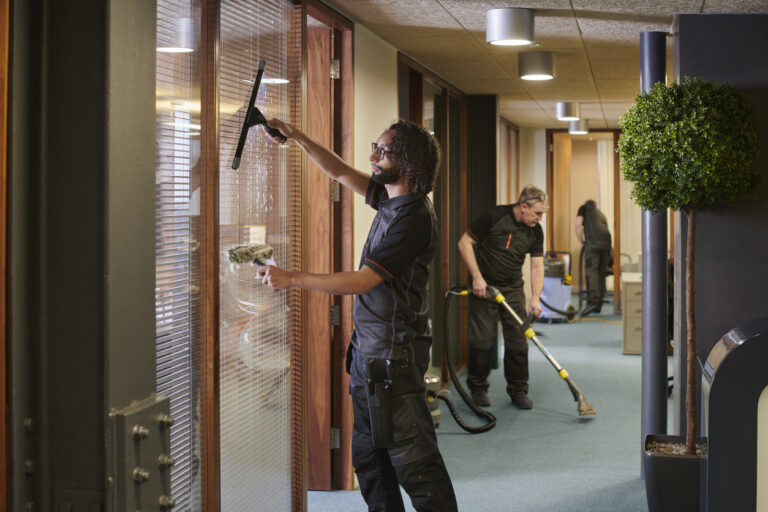
Cleaning work is deceptively high-risk. On any given day, your team members undertake physically intense tasks, such as lifting objects, scrubbing, and bending. They also work with potentially hazardous chemicals. The combination of repetitive motions, awkward postures, and chemical exposure makes the cleaning industry susceptible to workplace injuries.
Survey data from Washington State shows just how common these risks are: 20% of janitors reported a work-related injury or illness within a single year. Despite these numbers, nearly half of those who were injured didn’t file a workers’ compensation claim. The report suggests that factors like demanding schedules, lack of sleep, and challenging working conditions may all play a role in both injury rates and claim underreporting.
The Most Common Workers’ Comp Claims in the Cleaning Industry
Understanding the risks that typically lead to claims can help you anticipate and mitigate them. The most common workers’ compensation claims in the cleaning industry include:
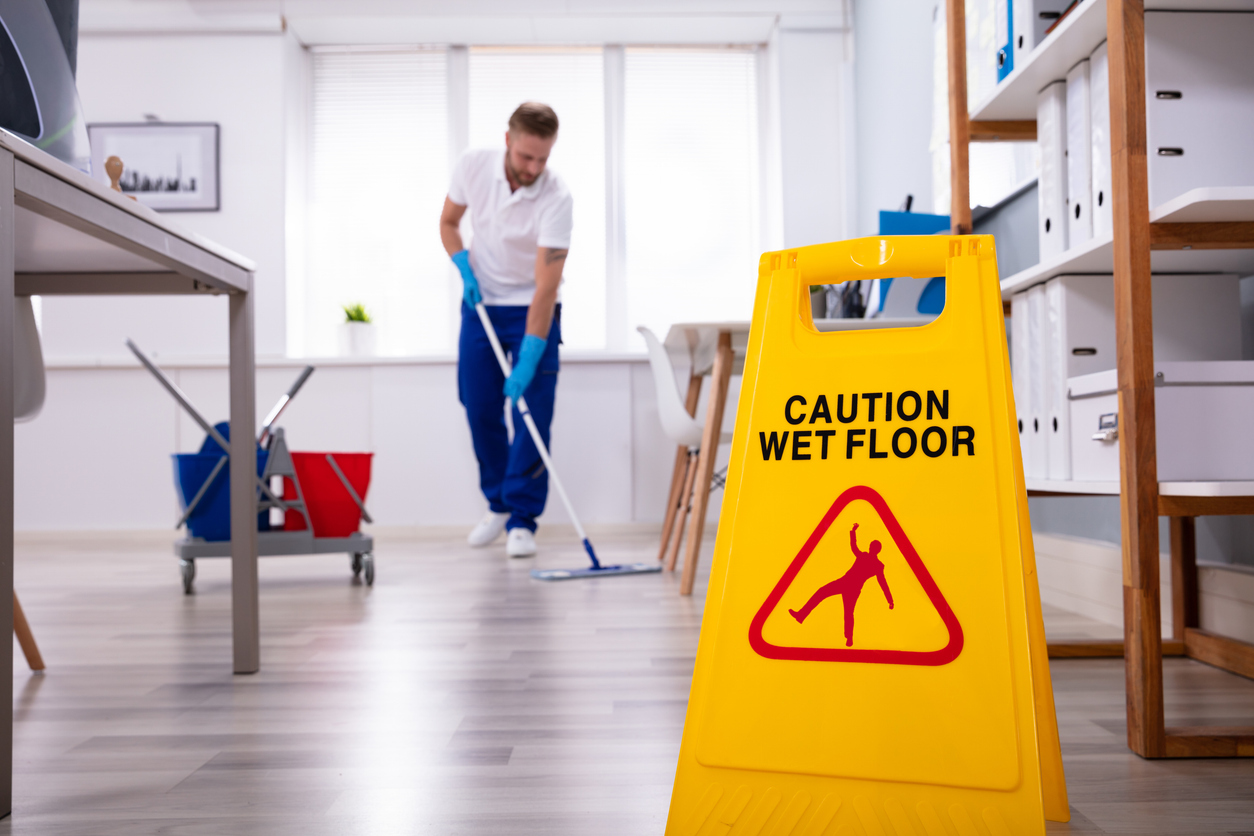
- Slips, trips, and falls: Wet floors, cluttered walkways, and carrying supplies across uneven surfaces are frequent culprits.
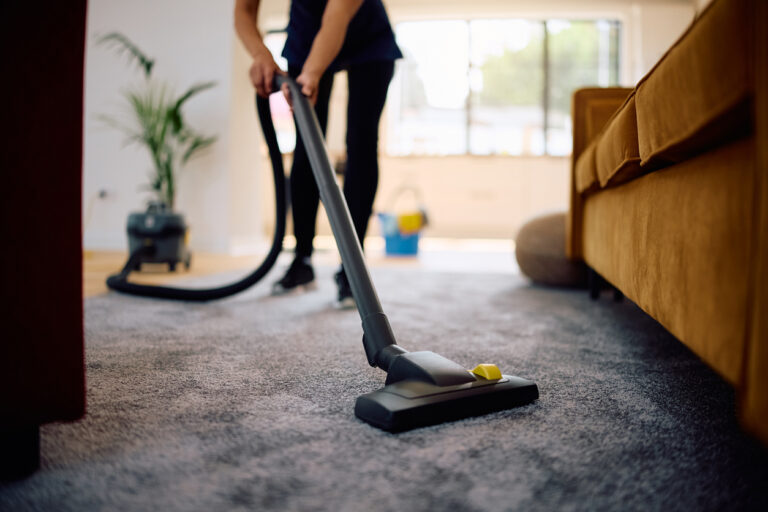
- Muscle strains and repetitive motion injuries: Lifting heavy equipment, bending over repeatedly, and using vacuums or mops for prolonged periods can lead to chronic injuries.
- Chemical exposure: Harsh cleaning agents can cause respiratory problems, eye irritation, or chemical burns if not handled properly.
These issues are both health concerns and financial liabilities. Left unchecked, a single injury can lead to lost productivity, rising insurance premiums, or even lawsuits.
How Can You Prevent These Claims?
Reducing claims starts with a proactive safety culture. Here’s how your cleaning business can take action:
- Train your team: Regular safety training sessions remind workers of best practices, from lifting techniques to proper chemical handling.
- Provide the right equipment: Non-slip shoes, gloves, goggles, and masks can help reduce the risk of injury.
- Implement task rotation: Shuffling tasks can help prevent repetitive motion injuries and muscle fatigue.
- Use signage and storage protocols: Clearly mark wet floors, and store chemicals safely.
- Create safety checklists: A quick pre-shift inspection can catch hazards before they turn into incidents. Encourage reporting of all near-misses and accidents.
An effective injury prevention program isn’t just about equipment or checklists. It requires consistent leadership, employee input, and a commitment to identifying hazards and providing training. OSHA emphasizes that comprehensive safety programs should go beyond compliance and address all potential risks, even those not specifically regulated.
Why the Right Workers’ Comp Policy Matters
Even with the best prevention efforts, accidents can still happen, making specialized workers’ compensation insurance for cleaning businesses essential. A well-tailored policy provides wage replacement, medical benefits, and return-to-work programs for injured employees. Just as importantly, it protects your business from lawsuits and compliance penalties.
In many states, workers’ compensation is legally required. Failing to carry it can result in steep fines or criminal charges.
Beyond the legal obligations, the right insurance partner can help you secure proper insurance for commercial cleaning businesses. With the right policy, you can minimize claims and even lower premiums over time by offering safety resources, training programs, and policy guidance.
Protect Your Team and Your Bottom Line
Prevention and protection go hand in hand. Cleaning businesses that take workplace safety seriously not only avoid common injuries but also build a culture of care that supports their team’s well-being.
At the same time, having comprehensive workers’ compensation coverage ensures that when the unexpected happens, your business remains resilient.
Looking for smarter workers’ compensation insurance for your cleaning business? Let’s talk.
About the Author
Christopher Moody is President of Moody Clean Insurance, a division of Moody Insurance Worldwide, an independent insurance agency located just outside Washington, D.C. With more than 30 years of experience in the insurance industry, Christopher has helped businesses across the country secure insurance solutions that address the real-world risks they face. Moody Clean Insurance specializes in developing insurance programs for residential and commercial cleaning businesses, recognizing that every operation has unique exposures and insurance needs, because when it comes to insurance, one size does not fit all.
About Moody Clean Insurance
Helping one cleaning business started it all. Two decades later, Moody is one of the largest insurance providers to both independent and franchise cleaning businesses throughout the country. Put decades of experience to work for your cleaning operations. Regardless of size or cleaning specialty, we can help your cleaning business chart a strategic, economical path for your risk management and insurance. Relationships all start with a first conversation. Reach out and let’s schedule a time to talk about protecting and growing your cleaning business.